
Projects don’t fail at the end — they fail in how they’re managed from day one.
Missed timelines, unclear responsibilities, poor coordination, and constant changes — these are the real reasons projects go over budget and lose control.
Managing a project isn’t about tracking tasks. It’s about controlling execution, aligning stakeholders, and making the right decisions at the right time.
At Gulfinder, we manage projects with a structured, hands-on approach — ensuring clarity, accountability, and consistent progress from start to finish.
How we manage projects?
Initial project management timeline
A detailed project timeline is developed after the initial meeting, ensuring it reflects the project’s scope, complexity, and requirements.
GET IN TOUCH
A project without control is just a timeline waiting to fail
If you’re managing a complex project or coordinating multiple stakeholders, we’ll help you bring structure, clarity, and control to every stage of execution.
Reference cases
- Developing and sourcing over 60 products across multiple industries
 From concept to execution across food and non food product categories We helped companies develop and source more than 60 products across multiple industries and international markets. Project overview Execution process Results Key… Read more: Developing and sourcing over 60 products across multiple industries
 - Building long term agency partnerships with global suppliers for regional distributors
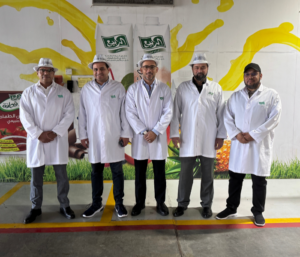 Connecting distributors with trusted international agencies across multiple markets We established long-term agency partnerships between global suppliers and regional distributors, creating consistent and reliable business channels. Project overview Execution approach Results Key insight… Read more: Building long term agency partnerships with global suppliers for regional distributors
 - How The Modern Doors successfully entered and scaled in the UAE market
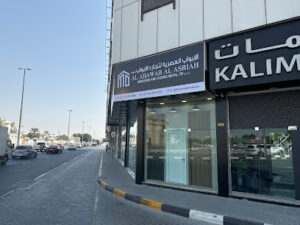 How The Modern Doors successfully entered and scaled in the UAE market A complete case study on how The Modern Doors entered the UAE market, built strong partnerships, and generated solid revenue within… Read more: How The Modern Doors successfully entered and scaled in the UAE market
 - CG Motors – Lynk & Co
 How CG Motors introduced Lynk & Co vehicles from China into the Palestinian market A comprehensive case study on how CG Motors brought the innovative Lynk & Co automotive brand from China into… Read more: CG Motors – Lynk & Co
 - CG Motors – Geely Farizon
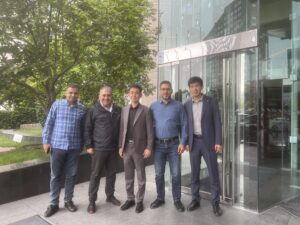 How CG Motors secured and launched Geely Farizon commercial vehicles in the Palestinian market A strategic case study on how CG Motors partnered with a Chinese manufacturer to introduce Geely Farizon commercial vehicles… Read more: CG Motors – Geely Farizon
 - Public private partnerships in supply chain and construction projects
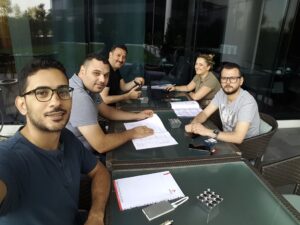 Coordinating government and private sector collaboration for large scale project execution We supervised and facilitated multiple partnerships between public and private sectors in supply chain and construction projects. Project overview Execution process Results… Read more: Public private partnerships in supply chain and construction projects
 - HLSC
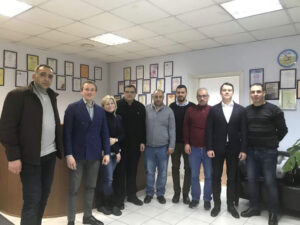 How trade shows and matchmaking opened new markets in Russia and Kazakhstan Learn how manufacturers expanded into new markets through trade shows and business matchmaking. Market selection and strategy We identified Russia and… Read more: HLSC
 - Establishing manufacturing facilities across Palestine and the United States
 Supporting companies in building production operations from concept to launch We supported businesses in establishing manufacturing facilities across different countries and industries. Project overview Execution process Results Key insight Building a factory is… Read more: Establishing manufacturing facilities across Palestine and the United States