
Before you build anything — make sure it’s worth building.
Most businesses don’t fail in execution. They fail in the decision stage — choosing the wrong idea, misreading the market, underestimating costs, or overestimating demand.
A business study isn’t a document. It’s a filter.
It tells you whether to move forward, adjust, or walk away — before you commit time, capital, and resources.
How we approach business studies?
Business study timeline
| Deliverables | Month 01 | Month 02 | Month 03 |
|---|---|---|---|
| Business concept defined & structured | ✔ | ||
| Market demand & customer validation | ✔ | ✔ | |
| Competitive landscape analysis completed | ✔ | ||
| Cost structure & operational model defined | ✔ | ||
| Financial viability & break-even analysis | ✔ | ✔ | |
| Risk assessment & mitigation plan | ✔ | ||
| Final decision & execution roadmap | ✔ |
GET IN TOUCH
A strong business starts with a clear decision — not a guess.
If you’re considering a new venture or evaluating an idea, we’ll help you break it down, test it properly, and decide with confidence.
Reference cases
- Developing and sourcing over 60 products across multiple industries
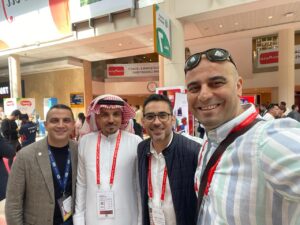 From concept to execution across food and non food product categories We helped companies develop and source more than 60 products across multiple industries and international markets. Project overview Execution process Results Key… Read more: Developing and sourcing over 60 products across multiple industries
 - How The Modern Doors successfully entered and scaled in the UAE market
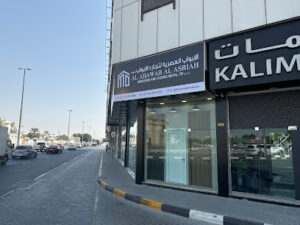 How The Modern Doors successfully entered and scaled in the UAE market A complete case study on how The Modern Doors entered the UAE market, built strong partnerships, and generated solid revenue within… Read more: How The Modern Doors successfully entered and scaled in the UAE market
 - Electric vehicle industry matchmaking at Beijing expo 2025
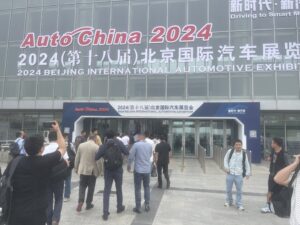 Connecting regional companies with global ev manufacturers through international exhibitions We organized business matchmaking tours connecting companies with electric vehicle manufacturers during beijing expo 2025. Project overview Execution process Results Key insight Proximity… Read more: Electric vehicle industry matchmaking at Beijing expo 2025
 - CG Motors – Lynk & Co
 How CG Motors introduced Lynk & Co vehicles from China into the Palestinian market A comprehensive case study on how CG Motors brought the innovative Lynk & Co automotive brand from China into… Read more: CG Motors – Lynk & Co
 - CG Motors – Geely Farizon
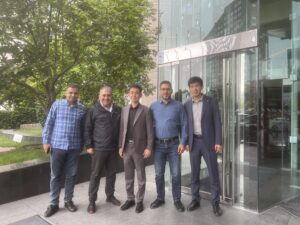 How CG Motors secured and launched Geely Farizon commercial vehicles in the Palestinian market A strategic case study on how CG Motors partnered with a Chinese manufacturer to introduce Geely Farizon commercial vehicles… Read more: CG Motors – Geely Farizon
 - Government collaboration to support export associations in entering global markets
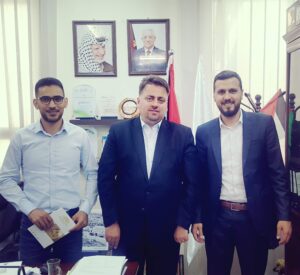 Supporting export associations in accessing new markets through structured collaboration We collaborated with government entities to support export associations in expanding into international markets. Project overview Execution approach Results Key insight Structured support… Read more: Government collaboration to support export associations in entering global markets
 - Market research and partner matching for Paltrade members across Europe
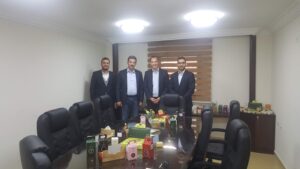 Helping companies explore european markets and connect with the right partners We supported paltrade members in identifying new opportunities and building connections across european markets. Project overview Market analysis Partner matchmaking Results Key… Read more: Market research and partner matching for Paltrade members across Europe
 - USADI & PalTrade
 How we connected 5 industries with global partners across Saudi Arabia, Kuwait and the UK A detailed case study on connecting five industries with international partners across multiple global markets. Sector analysis and… Read more: USADI & PalTrade
 - Establishing manufacturing facilities across Palestine and the United States
 Supporting companies in building production operations from concept to launch We supported businesses in establishing manufacturing facilities across different countries and industries. Project overview Execution process Results Key insight Building a factory is… Read more: Establishing manufacturing facilities across Palestine and the United States
 - Helping Jordanian companies expand into Gulf markets
 A structured approach to entering GCC markets with the right strategy and partnerships We supported multiple jordanian companies in expanding into gulf markets by building clear entry strategies and execution plans. Project overview… Read more: Helping Jordanian companies expand into Gulf markets
 - Furniture manufacturing partnerships across Turkey, Palestine, and Saudi Arabia
 Connecting companies with reliable furniture factories for residential and commercial projects We helped businesses establish direct partnerships with furniture manufacturers across multiple markets. Project overview Partner sourcing and qualification Execution process Results Key… Read more: Furniture manufacturing partnerships across Turkey, Palestine, and Saudi Arabia