
Turn your idea into a real, market-ready product — without costly mistakes.
Most products fail before they even reach the market — not because the idea is bad, but because the process is wrong. Poor sourcing, weak validation, and rushed decisions lead to delays, losses, and products that simply don’t sell.
At Gulfinder, we take a different approach.
We guide you through a structured product development journey — from refining your idea and validating it in the market, to sourcing the right suppliers, testing quality, and preparing your product for launch. Every step is built to reduce risk, control costs, and ensure your product is not just manufactured — but ready to compete.
Product development methodology
Product development timeline
| Deliverables | Month 01 | Month 02 | Month 03 |
|---|---|---|---|
| Validated product concept & clear specifications | ✔ | ||
| Qualified supplier shortlist & sourcing strategy | ✔ | ✔ | |
| Tested samples & finalized product specifications | ✔ | ||
| Defined cost structure & pricing model | ✔ | ||
| Production execution with quality control in place | ✔ | ✔ | |
| Pilot launch completed & market feedback collected | ✔ | ||
| Go-to-market strategy & distribution channels activated | ✔ |
GET IN TOUCH
Start your product journey
Building a product is complex — doing it right doesn’t have to be.
We help you avoid costly mistakes and move forward with a clear, structured path from idea to market.
Reference cases
- Developing and sourcing over 60 products across multiple industries
 From concept to execution across food and non food product categories We helped companies develop and source more than 60 products across multiple industries and international markets. Project overview Execution process Results Key… Read more: Developing and sourcing over 60 products across multiple industries
 - Supporting women entrepreneurs in building private label textile products
 Helping entrepreneurs transform ideas into market ready textile products We supported multiple women entrepreneurs in developing and launching their own textile product lines. Project overview Development process Results Key insight Clarity in product… Read more: Supporting women entrepreneurs in building private label textile products
 - Connecting companies with suppliers through international exhibitions like Gulfood
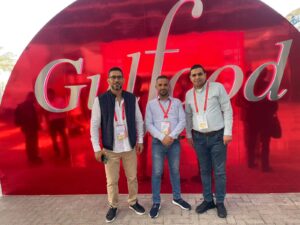 Helping businesses secure successful supply deals through targeted exhibition matchmaking We supported multiple companies in connecting with qualified suppliers and securing supply agreements through major international exhibitions such as gulfood. Project overview Execution… Read more: Connecting companies with suppliers through international exhibitions like Gulfood
 - Sourcing high sensitivity products across complex regulatory markets
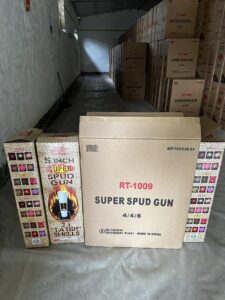 Managing complex sourcing for products with strict regulations and approvals We supported clients in sourcing high-sensitivity products such as fireworks across multiple international markets. Project overview Execution approach Results Key insight Complex products… Read more: Sourcing high sensitivity products across complex regulatory markets
 - How The Modern Doors successfully entered and scaled in the UAE market
 How The Modern Doors successfully entered and scaled in the UAE market A complete case study on how The Modern Doors entered the UAE market, built strong partnerships, and generated solid revenue within… Read more: How The Modern Doors successfully entered and scaled in the UAE market
 - Al Aghadeer Trading Company
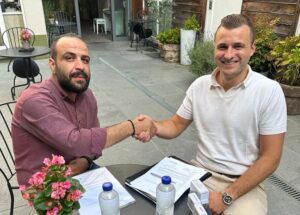 How Al Aghadeer developed and introduced Belgian frozen fries to the Palestinian market A practical case study on how Al Aghadeer partnered with a Belgian manufacturer to develop and supply frozen French fries… Read more: Al Aghadeer Trading Company
 - CG Motors – Lynk & Co
 How CG Motors introduced Lynk & Co vehicles from China into the Palestinian market A comprehensive case study on how CG Motors brought the innovative Lynk & Co automotive brand from China into… Read more: CG Motors – Lynk & Co
 - Sun Sweet
 How Sun Sweet expanded into the Middle East through private label distribution Discover how Sun Sweet entered Palestine, UAE, and Saudi Arabia using a private label strategy and built a stable distribution system.… Read more: Sun Sweet
 - CG Motors – Geely Farizon
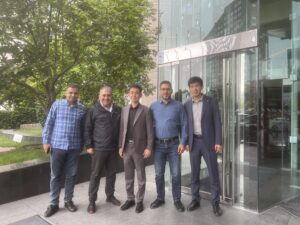 How CG Motors secured and launched Geely Farizon commercial vehicles in the Palestinian market A strategic case study on how CG Motors partnered with a Chinese manufacturer to introduce Geely Farizon commercial vehicles… Read more: CG Motors – Geely Farizon
 - Furniture manufacturing partnerships across Turkey, Palestine, and Saudi Arabia
 Connecting companies with reliable furniture factories for residential and commercial projects We helped businesses establish direct partnerships with furniture manufacturers across multiple markets. Project overview Partner sourcing and qualification Execution process Results Key… Read more: Furniture manufacturing partnerships across Turkey, Palestine, and Saudi Arabia
 - Retail infrastructure sourcing for supermarkets across multiple countries
 How we helped supermarkets upgrade operations through global sourcing of retail equipment and smart systems We supported multiple supermarket chains in sourcing and supplying essential retail infrastructure from international markets. Project overview The… Read more: Retail infrastructure sourcing for supermarkets across multiple countries