
Expanding into a new market is not a growth move — it’s a risk decision.
Most businesses don’t fail because their product is weak. They fail because they enter the wrong market, at the wrong time, with the wrong assumptions.
Different pricing logic. Different customer behavior. Different distribution dynamics.
What worked for you before won’t necessarily work again.
That’s why market entry isn’t about “launching” — it’s about understanding where you can actually win, and building your presence step by step, without burning time or capital.
Product development methodology
Market entry timeline
| Deliverables | Month 01 | Month 02 | Month 03 |
|---|---|---|---|
| Market direction & selection clarity | ✔ | ||
| Local market understanding & positioning | ✔ | ✔ | |
| Entry model & channels defined | ✔ | ||
| Distributor/partner alignment | ✔ | ✔ | |
| Agreements finalized | ✔ | ||
| Pilot market entry executed | ✔ | ||
| Expansion & scaling direction set | ✔ |
GET IN TOUCH
Let’s choose your next market — strategically
Entering a new market isn’t about being everywhere — it’s about being in the right place. If you’re planning to expand, we’ll help you avoid the common traps, move with clarity, and build a position that actually lasts.
Reference cases
- Developing and sourcing over 60 products across multiple industries
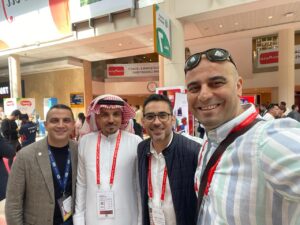 From concept to execution across food and non food product categories We helped companies develop and source more than 60 products across multiple industries and international markets. Project overview Execution process Results Key… Read more: Developing and sourcing over 60 products across multiple industries
 - Supporting women entrepreneurs in building private label textile products
 Helping entrepreneurs transform ideas into market ready textile products We supported multiple women entrepreneurs in developing and launching their own textile product lines. Project overview Development process Results Key insight Clarity in product… Read more: Supporting women entrepreneurs in building private label textile products
 - Connecting European companies with Gulf contractors and partners
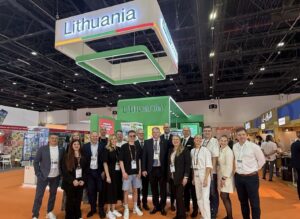 Enabling European businesses to enter Gulf markets through local partnerships We supported european companies in building connections with contractors and partners across gulf countries. Project overview Execution approach Results Key insight Local partnerships… Read more: Connecting European companies with Gulf contractors and partners
 - Building long term agency partnerships with global suppliers for regional distributors
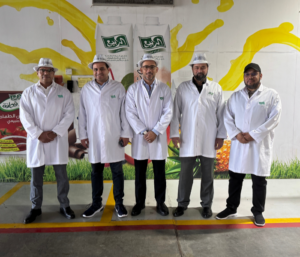 Connecting distributors with trusted international agencies across multiple markets We established long-term agency partnerships between global suppliers and regional distributors, creating consistent and reliable business channels. Project overview Execution approach Results Key insight… Read more: Building long term agency partnerships with global suppliers for regional distributors
 - Connecting companies with suppliers through international exhibitions like Gulfood
 Helping businesses secure successful supply deals through targeted exhibition matchmaking We supported multiple companies in connecting with qualified suppliers and securing supply agreements through major international exhibitions such as gulfood. Project overview Execution… Read more: Connecting companies with suppliers through international exhibitions like Gulfood
 - Sourcing high sensitivity products across complex regulatory markets
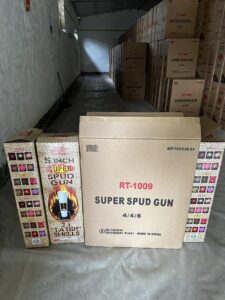 Managing complex sourcing for products with strict regulations and approvals We supported clients in sourcing high-sensitivity products such as fireworks across multiple international markets. Project overview Execution approach Results Key insight Complex products… Read more: Sourcing high sensitivity products across complex regulatory markets
 - How The Modern Doors successfully entered and scaled in the UAE market
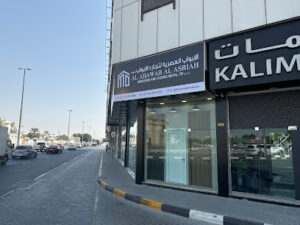 How The Modern Doors successfully entered and scaled in the UAE market A complete case study on how The Modern Doors entered the UAE market, built strong partnerships, and generated solid revenue within… Read more: How The Modern Doors successfully entered and scaled in the UAE market
 - Al Aghadeer Trading Company
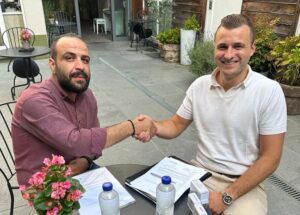 How Al Aghadeer developed and introduced Belgian frozen fries to the Palestinian market A practical case study on how Al Aghadeer partnered with a Belgian manufacturer to develop and supply frozen French fries… Read more: Al Aghadeer Trading Company
 - Electric vehicle industry matchmaking at Beijing expo 2025
 Connecting regional companies with global ev manufacturers through international exhibitions We organized business matchmaking tours connecting companies with electric vehicle manufacturers during beijing expo 2025. Project overview Execution process Results Key insight Proximity… Read more: Electric vehicle industry matchmaking at Beijing expo 2025
 - Connecting manufacturers with distributors in the UAE market Dooby case
 How strategic matchmaking enabled product success in the UAE market We facilitated connections between manufacturers and distribution companies, enabling successful product entry into the uae market. Project overview Execution approach Results Key insight… Read more: Connecting manufacturers with distributors in the UAE market Dooby case
 - CG Motors – Lynk & Co
 How CG Motors introduced Lynk & Co vehicles from China into the Palestinian market A comprehensive case study on how CG Motors brought the innovative Lynk & Co automotive brand from China into… Read more: CG Motors – Lynk & Co
 - Sun Sweet
 How Sun Sweet expanded into the Middle East through private label distribution Discover how Sun Sweet entered Palestine, UAE, and Saudi Arabia using a private label strategy and built a stable distribution system.… Read more: Sun Sweet
 - CG Motors – Geely Farizon
 How CG Motors secured and launched Geely Farizon commercial vehicles in the Palestinian market A strategic case study on how CG Motors partnered with a Chinese manufacturer to introduce Geely Farizon commercial vehicles… Read more: CG Motors – Geely Farizon
 - Exhibition coordination and distributor connections for international brands
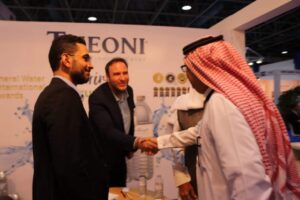 Using exhibitions as a platform to secure distribution and expand into new markets We coordinated participation in international exhibitions and facilitated connections with distributors and partners. Project overview Execution approach Results Key insight… Read more: Exhibition coordination and distributor connections for international brands
 - Government collaboration to support export associations in entering global markets
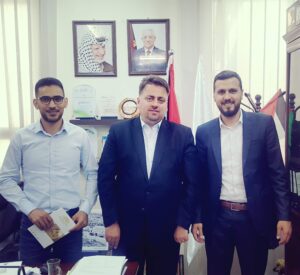 Supporting export associations in accessing new markets through structured collaboration We collaborated with government entities to support export associations in expanding into international markets. Project overview Execution approach Results Key insight Structured support… Read more: Government collaboration to support export associations in entering global markets
 - Market research and partner matching for Paltrade members across Europe
 Helping companies explore european markets and connect with the right partners We supported paltrade members in identifying new opportunities and building connections across european markets. Project overview Market analysis Partner matchmaking Results Key… Read more: Market research and partner matching for Paltrade members across Europe
 - Public private partnerships in supply chain and construction projects
 Coordinating government and private sector collaboration for large scale project execution We supervised and facilitated multiple partnerships between public and private sectors in supply chain and construction projects. Project overview Execution process Results… Read more: Public private partnerships in supply chain and construction projects
 - USADI & PalTrade
 How we connected 5 industries with global partners across Saudi Arabia, Kuwait and the UK A detailed case study on connecting five industries with international partners across multiple global markets. Sector analysis and… Read more: USADI & PalTrade
 - Organizing international business visits and meetings across key global markets
 Facilitating on-ground business meetings to accelerate partnerships and decisions We organized and executed international business visits to connect companies with partners and opportunities on the ground. Project overview Execution process Results Key insight… Read more: Organizing international business visits and meetings across key global markets
 - HLSC
 How trade shows and matchmaking opened new markets in Russia and Kazakhstan Learn how manufacturers expanded into new markets through trade shows and business matchmaking. Market selection and strategy We identified Russia and… Read more: HLSC
 - Helping Jordanian companies expand into Gulf markets
 A structured approach to entering GCC markets with the right strategy and partnerships We supported multiple jordanian companies in expanding into gulf markets by building clear entry strategies and execution plans. Project overview… Read more: Helping Jordanian companies expand into Gulf markets
 - Furniture manufacturing partnerships across Turkey, Palestine, and Saudi Arabia
 Connecting companies with reliable furniture factories for residential and commercial projects We helped businesses establish direct partnerships with furniture manufacturers across multiple markets. Project overview Partner sourcing and qualification Execution process Results Key… Read more: Furniture manufacturing partnerships across Turkey, Palestine, and Saudi Arabia
 - Retail infrastructure sourcing for supermarkets across multiple countries
 How we helped supermarkets upgrade operations through global sourcing of retail equipment and smart systems We supported multiple supermarket chains in sourcing and supplying essential retail infrastructure from international markets. Project overview The… Read more: Retail infrastructure sourcing for supermarkets across multiple countries